

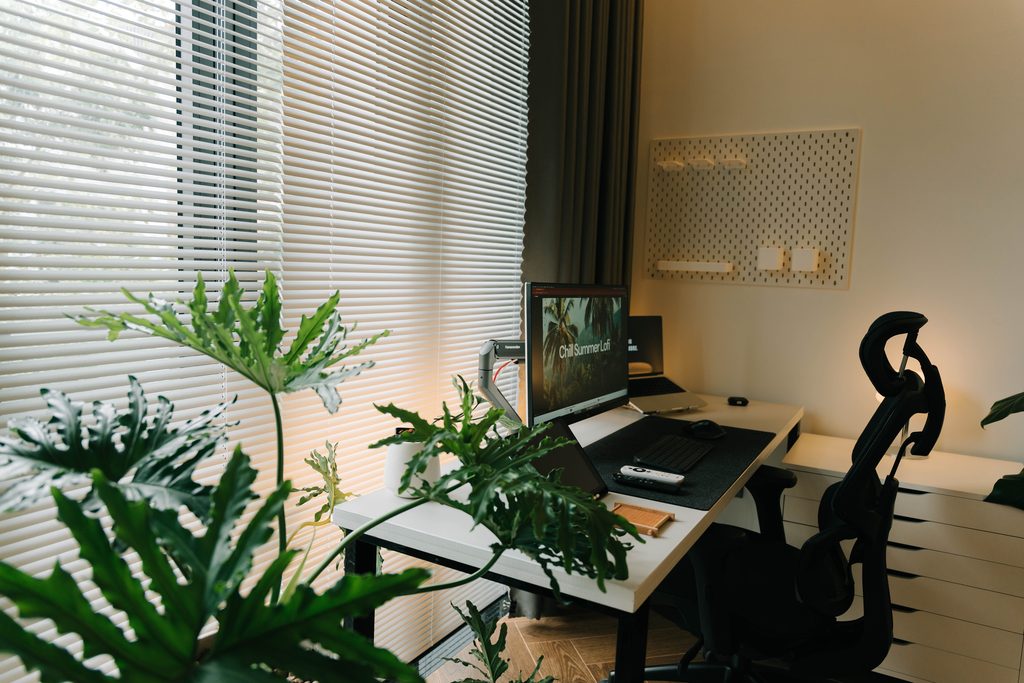
Working from home offers flexibility, but it can also make it difficult to maintain focus and separate professional responsibilities from personal life. A sofa, dining table, or even a corner of the bedroom can quickly become a makeshift office, often leading to distractions and an uncomfortable work routine.
Your surroundings can have a significant influence on how organised and comfortable your workspace feels. Poor lighting, clutter, an unsuitable desk position, or working in a high-traffic area can make it harder to maintain concentration throughout the day.
According to Vastu principles, the direction and placement of your workspace can be considered when creating a more balanced working environment. Even when you cannot dedicate an entire room to an office, small adjustments can help you make better use of the space available.
Choose the Right Direction for Your Work Desk
The direction you face while working is an important consideration in Vastu. North and East are traditionally preferred directions for working or studying, particularly when the goal is to encourage focus and productivity.
If possible, position your desk so that you can comfortably face one of these directions while working. However, the existing layout of your home should also be considered rather than forcing a desk into an inconvenient position.
Keep a Solid Wall Behind Your Chair
Ideally, your chair should have a solid wall behind it rather than an open doorway or frequently used passage.
From a practical perspective, this can also reduce movement behind you and create a more stable, distraction-free workstation.
Keep Your Workspace Clean and Organised
A cluttered desk can make even a well-designed workspace feel chaotic. Keep unnecessary papers, unused equipment, tangled cables, and other distractions away from your primary working area.
Try to maintain a simple setup with only the items you regularly need. This is particularly important when working from a small bedroom or shared space.
Pay Attention to Lighting and Ventilation
Natural light and fresh air can make a home office considerably more comfortable. Whenever possible, position your workspace near a source of natural light without placing your screen directly in front of a bright window.
Good ventilation can also help prevent the workspace from feeling stuffy, particularly during long working hours.
Avoid Working From the Bed
Although working from bed may seem convenient, it can make it harder to establish a clear boundary between work and rest.
If you don’t have a separate office, create a dedicated work zone using a small desk, table, or clearly defined corner. This helps establish a consistent routine without requiring a large amount of space.
Be Mindful of Beams and Overhead Structures
If your desk is directly beneath a prominent ceiling beam, consider whether the workspace can be repositioned.
When moving the desk isn’t practical, your Vastu consultant can assess the overall floor plan and suggest appropriate non-structural alternatives.
Create a Workspace That Works for You
A productive home office doesn’t require an expensive setup or an entire room. Thoughtful desk placement, good lighting, organisation, comfortable furniture, and consideration of Vastu principles can help you create a workspace that feels calmer and more purposeful.
Whether you’re a student, freelancer, entrepreneur, or remote employee, your workspace can be adapted to suit both your professional requirements and the existing layout of your home.
Looking for personalised guidance? Our work-from-home Vastu consultation can help you assess your workspace, desk placement, and overall room layout with practical recommendations tailored to your home.
Book your personalised Vastu consultation today and create a workspace designed for greater focus, comfort, and balance.